Preaching Repentance and Forgiveness (2): Classifying Repentance (a)

Preaching Repentance and Forgiveness (2): Classifying Repentance (a)

Repentance is a change of mind, which leads to the turning from evil works. In addition, Heidelberg Catechism A 91 defines good works, and does not include repentance in that definition: “Only those which proceed from a true faith, are performed according to the law of God, and to his glory.” When we repent, we do not perform a work in obedience to the law of God. The law says, “Do” and “Do not.” If we say, as penitent sinners, “I now know that what I did was wrong (I have changed my mind about it—metanoia) and I am sorry (I regret it),” we do not by that do what the law requires. We simply express regret that we have not done what the law requires. The law is not satisfied with regret; it requires and demands obedience.

Preaching Repentance and Forgiveness (1): Repentance

Preaching Repentance and Forgiveness (1): Repentance

We remember that God forbids such words and actions, and the Spirit begins to work in our hearts. We feel guilty. Our conscience smites us. We change our mind. We see the evil of our words and actions. We have an afterthought; we regret what we did, we feel sorry about it. That is metanoia or repentance.
God Producing Both the Will to Believe and the Act of Believing Also

God Producing Both the Will to Believe and the Act of Believing Also

Scripture teaches that when God regenerates a man, he does not leave it to the good pleasure of the man’s will to believe or not: “not such a mode of operation that after God has performed his part it still remains in the power of man to be regenerated or not” (Canons 3-4.12). Rather this: when God works faith in a man, that man believes: When God confers repentance on a man, that man repents.
"Incorporating us into the fellowship of his death and resurrection"

"Incorporating us into the fellowship of his death and resurrection"

Fellowship into Christ’s death is for the Lord’s child the death of death, that is, the death of his spiritual and eternal death. It is the destruction of destruction; the corruption of corruption. And the resurrection? It calls out to this child, live the life!

Peter's Chastisement and Canons V: A Reminder

Peter's Chastisement and Canons V: A Reminder

This series of blog posts was published from September 15, 2021 to October 11, 2021....

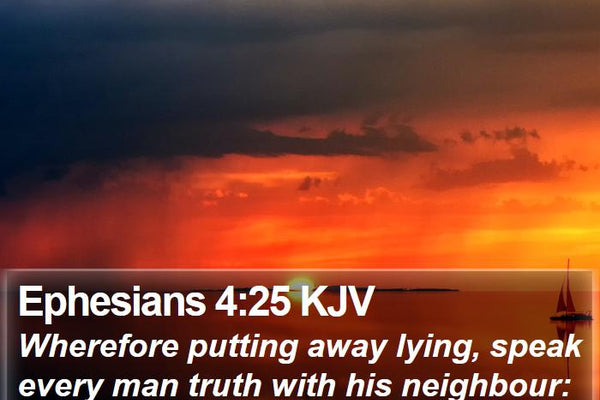
Avoiding All Lies and Deceit (3): Avoiding this Evil in the Church

Avoiding All Lies and Deceit (3): Avoiding this Evil in the Church

Backbiting, slandering, rash judging, and falsifying a man’s words are the atmosphere in which bitterness against the office-bearers—the pastor because his sermons are not “up to snuff,” and the elders because they do not do anything about it—grows. And children who are present soak in that bitterness so that they, too, despise the pastor and the elders, which has a devastating effect upon their ability to receive the catechism instruction from their pastor. 

God is not glorified in that no matter how zealous for the truth the group appears to be. If the pastor has weaknesses and infirmities, the members must bear patiently with him. If they are serious weaknesses, the elders must address them in a proper way. Raising sects and mutiny in the church under the guise of defending the truth is never justified in a faithful Christian, but is the sinful way of schism.