Your cart is empty now.


RFPA Update - Fall 2021
IN THIS ISSUE: —Feature article: Ignited by the Word—Coming soon: Civil War fiction for teens—A...

Peter (3): Certainly and Effectually Renewed to Repentance
That’s how the experience of salvation works. We are emotional creatures, not unfeeling blocks of wood. Sin affects our emotions. Sin affects our consciences. Sin is a matter not only of outward activity, but also of the heart. That’s why sin is called uncleanness and filth in the Bible: it makes us feel dirty. That’s why salvation is called cleansing and washing: not only does it make us clean, but it makes us feel clean.

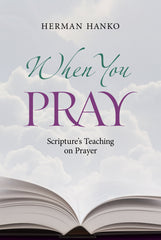
When you Pray AUDIOBOOK only 5$ until TOMORROW!
Prayer is always the way in which we consciously receive God’s blessings. The more we pray, the more these blessings are ours. The more perfectly we pray, the more perfectly do we receive God’s favor and love. The closer we live to God, the greater is the flood of grace that comes from his throne as a stream of living water. The more thankful we are, the more we are the heirs of salvation in Jesus Christ.
Peter (2): Losing the Sense of God’s Favor for a Time
Oh, the bitterness of sin! Oh, the misery of a guilty conscience! Oh, the misery of one who grieves the Holy Spirit! Do not provoke the Lord to chastise you, for he has many instruments with which to bring you to repentance and he knows exactly which rod to use to break your stubborn heart. Unlike an earthly father, he does not sob helplessly while his children go on in sin, but neither does he smile benignly. Instead, in love he applies the rod to bring us to repentance. And yet he never applies that rod, painful as it is, in his hatred, but always and only in his love. If you want to call the blows from the Father’s rod the experience of the Father’s favour and fellowship, the Canons do not: they call it the loss of the sense of God’s favour (Canons 5:5), which is “more bitter than death” (Canons 5:13).
Peter fell. Peter fell lamentably. But Peter did not fall beyond the power of God’s grace to restore him.

“Through Many Dangers” - COMING EARLY OCTOBER!
The Battle of Tebbs Bend: "One of the most outstanding small victories in the Civil...
Recent Posts