The Gospel and the Command, by George Ophoff

The Gospel and the Command, by George Ophoff

The Gospel and the Command, by George Ophoff, from The Standard Bearer, Vol 29 Issue 01 10/1/1952,...

The Possessors of Righteousness

The Possessors of Righteousness

Faith is not another work; faith is not a condition that we must fulfill; faith is not partly our work and partly God’s work. Faith is the God-given power and the God-given activity whereby his elect people cling to the power of God unto salvation revealed in the cross and resurrection of Jesus Christ.
God Who Justifies the Ungodly (2)

God Who Justifies the Ungodly (2)

The ground or basis of our justification is the righteousness of Jesus Christ—his perfect obedience to the law for us, his sufferings and death in our place. The instrument or God-given means by which we appropriate justification is faith, which is God’s gift to us. The fruit of justification is good works because the justified believer is also sanctified, so that he is no longer ungodly: he is no longer wicked, profane, and devoid of any piety or reverential awe toward God. Instead, being justified by faith alone without works, he is sanctified and brings forth fruit, much good fruit, to the glory of the God who justified him, even to the glory of the God who graciously justifies the ungodly.
The Responsibility to Pray

The Responsibility to Pray

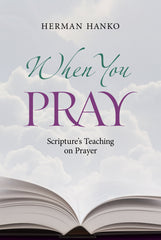
From When You Pray, by Herman Hanko, chapter 2, pages 19-20. _________ In the work of...

God Who Justifies the Ungodly (1)

God Who Justifies the Ungodly (1)

In justification, then, we have no plea except the perfect obedience, sufferings, death, and righteousness of Jesus Christ. In justification, when we stand before the holy, righteous God, we say, “I am ungodly, but Christ is just and righteous. I have sinned, but Christ has been perfectly obedient. I am guilty, but Christ is innocent and he has made perfect satisfaction for my sins.” In justification we say, “My conscience [accuses] me that I have grossly transgressed all the commandments of God, and kept none of them, and [I] am still inclined to all evil” (Heidelberg Catechism, A 60).
The Necessity of Conversion

The Necessity of Conversion

There is a close connection between forgiveness and sanctification, between washing and learning to do well, because there is no upright seeking and finding of forgiveness and justification, except justification reveals itself in a life of sanctification. The two are inseparable.