Maschil

Maschil

Some of the most interesting parts of the psalms are the subtitles found under specific chapter headings throughout this book of the Bible. We can learn much about a psalm from what we see in these brief statements. Sometimes they share with us the historical setting behind the writing. For example, Psalm 3 says it's "a Psalm of David when he fled from Absalom, his son." Psalm 57's subtitle tells us that it was written by David "when he fled from Saul in the cave." Other times, these subtitles let us know what kind of psalm it is. There are psalms of praise. There are psalms as prayers. There are psalms as songs. There are psalms of degrees, which show that a psalm was sung by the people as their families or groups of families walked up the elevation to the tabernacle at Mount Zion, where they gathered for worship. Significantly, thirteen psalms have a very mysterious word as their subtitle. Maschil.

Chorazin

Chorazin

The following article is part of the "Biblical Obscurities" blog series by Mike Velthouse, author of Journey...

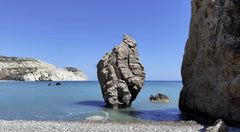
Petra: Carved in Stone

Petra: Carved in Stone

The following article is part of the "Biblical Obscurities" blog series by Mike Velthouse, author of Journey...

Candace, Queen of Ethiopia

Candace, Queen of Ethiopia

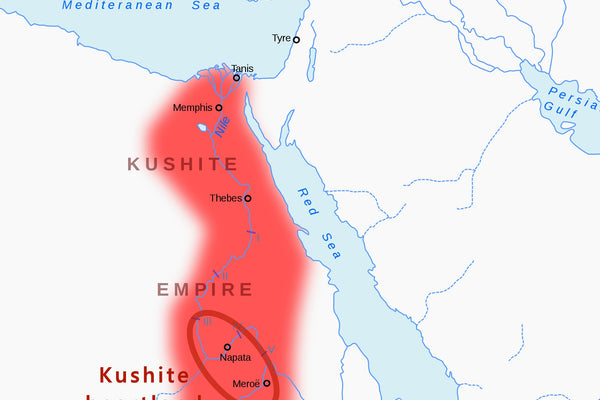
There are not many records about Candace Amantitere, but we can learn a lot about her rule in Meroe by what the Bible tells us about the Ethiopian eunuch himself (probably her Minister of Finance: “he had the charge of all her treasure,” Acts 8:27). Let’s think about what the eunuch had just been doing when he appears on the scene in Acts. He had completed a 1500-mile journey north, in a chariot, to Jerusalem, to observe a Jewish holiday at the temple. Now, why would he have done that?

Assyria (3): Nineveh

Assyria (3): Nineveh

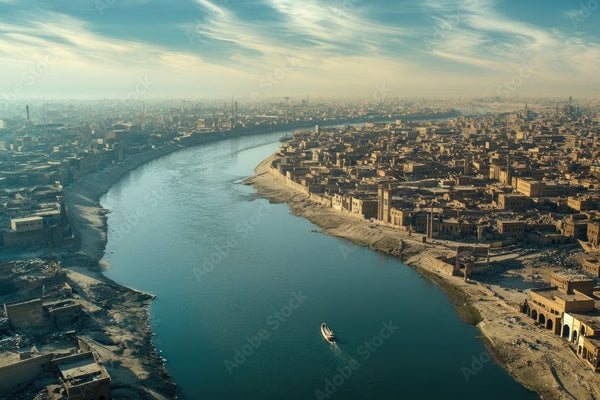
Located on the east bank of the Tigris River in northern Iraq, Mosul has a population of about 1.8 million. But what connects Mosul to us as we study biblical history is what’s located on the other side of the Tigris River. In the middle of the urban sprawl of Mosul, west of the Tigris, and underneath dusty roads and forgotten fields, lie the ruins of that great city, Nineveh.

Assyria (2): The Kings

Assyria (2): The Kings

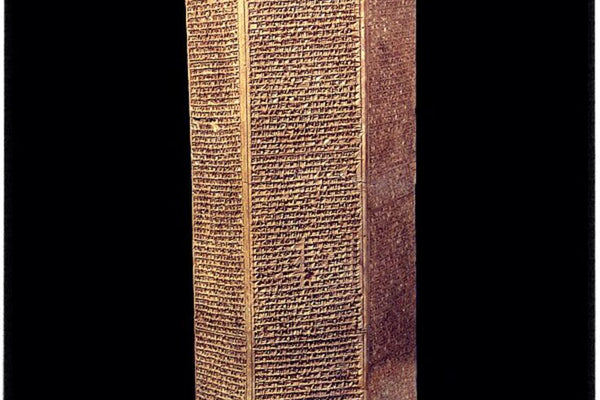
Today, we will zoom our lens in quite a bit closer and concentrate on the third stage of Assyria's history, known as the Neo-Assyrian Empire. This period begins in 912 B.C. and ends with the empire's demise in 609 B.C. We know the most about this era because this period coincides with the history of Judah and Israel given in the books of Kings and Chronicles. Let’s look at the Assyrian kings who played a prominent role in this Bible history.